
Ernest Hemingway - The Old Man and the Sea (1951)
My one liner: Such a short book, and so much inspiration to be drawn. A master class in brevity.
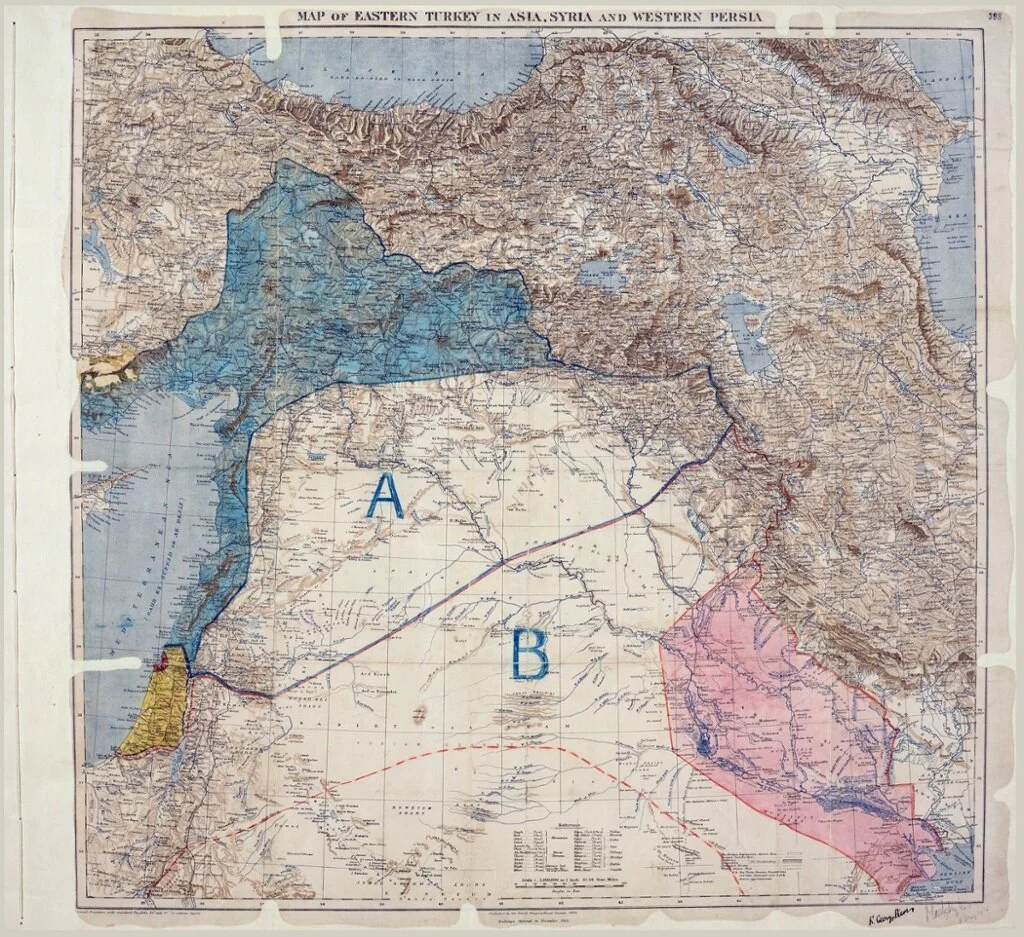
James Barr - A Line in the Sand (2011).
My one liner: Viewed through the lens of the mutual back-stabbing between Britain and France in the first half of the 20th Century, the origins of the current strife in the Middle East become clearer. An "infographic review".
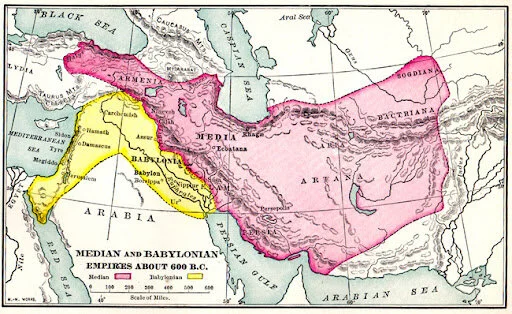
Voltaire (1749 Translation) - Zadig or The Book of Fate (1747)
My one liner: Arguably, even exceptional people can only ever expect to achieve 55% of what they want in life. A dip into the 18th century philosophy of Voltaire can help us understand why.

Leigh Skene - The Impoverishment of Nations (2009)
My one liner: A commonsense overview of post-crisis world economic trends. A global macro handbook for an international investor, and a basic primer for a non-specialist looking to understand what the future holds for the world economy.

John Dickson Carr - He Who Whispers (1946)
My one liner: Manipulative behaviour always gets found out. The clues will have been clear and unambiguous once you get to the end and all is revealed in this oldie whodunit. Some nice historical insight into post-war London also.

Matthew May – The Shibumi Strategy (2011)
My one liner: Simplicity. Austerity and the subtraction of the non-essential. Quietude and stillness. Asymmetry and Seductive Imperfection. Naturalness without artifice. Subtlety and Suggestion. Incremental improvement produces immense change in the long run. Told as a fable, this book provides a nice template for self-review.

H. Woody Brock – American Gridlock (2012)
My one liner: Subtitled "Why the Right and Left are Both Wrong - Commonsense 101 Solutions to the Economic Crises." Although it has some flaws, this book is a rarity in the post-financial crisis literature, as it heavily emphasises first principles rather than over-analysing with macro data. Highly accessible to the layman.

Jane Jensen - Dante's Equation (2003)
My one liner: Some of the passages can be a little jarring. But you need to ignore that, as the author has attempted a remarkable feat here, in attempting to unify the karmic mysticism of Kabbalah with the undiscovered potential of quantum mechanics. With some substantial success.

Amartya Sen – The Idea of Justice (2009)
My one liner: Nobel Prize winning economist. A comprehensive survey of the great theorists' competing notions of justice, concluding that a system based on Social Realism (or taking society as it is) is preferable to constructing institutions of justice in a vacuum (“Transcendental Justice”).
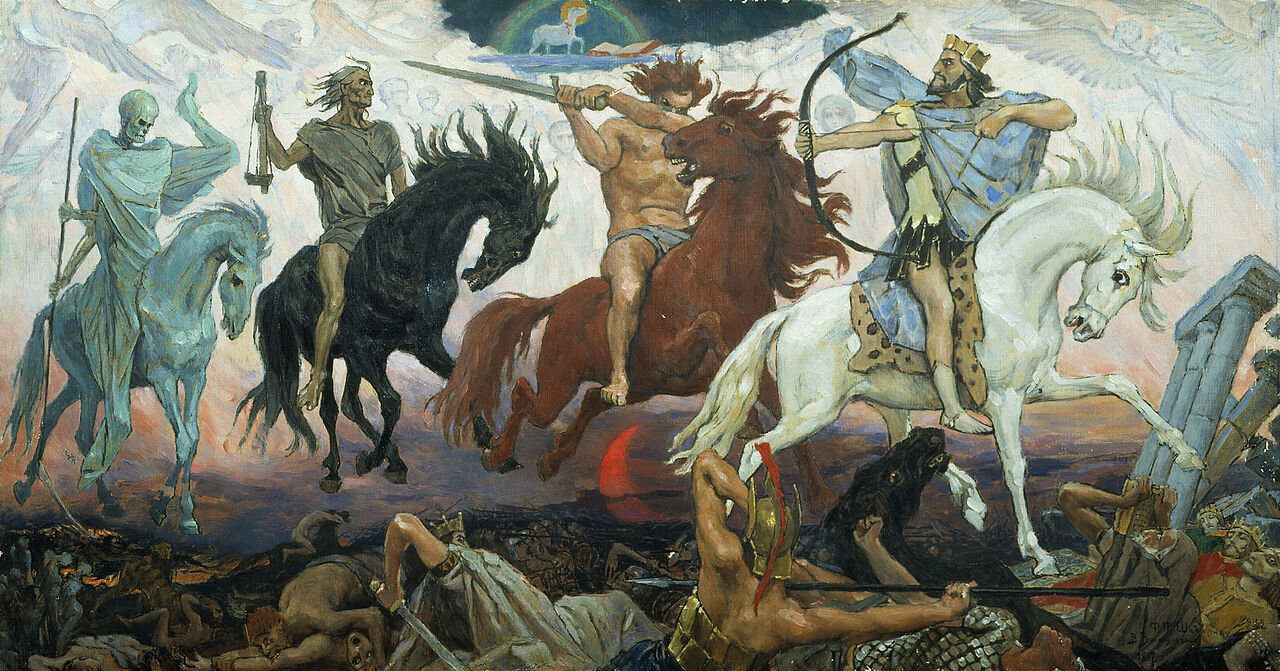
Ian Morris - Why the West Rules…For Now (2010)
My one-liner: Quite simply the best popular history book you will ever read. Astounding survey of historical forces that have shaped today’s world.